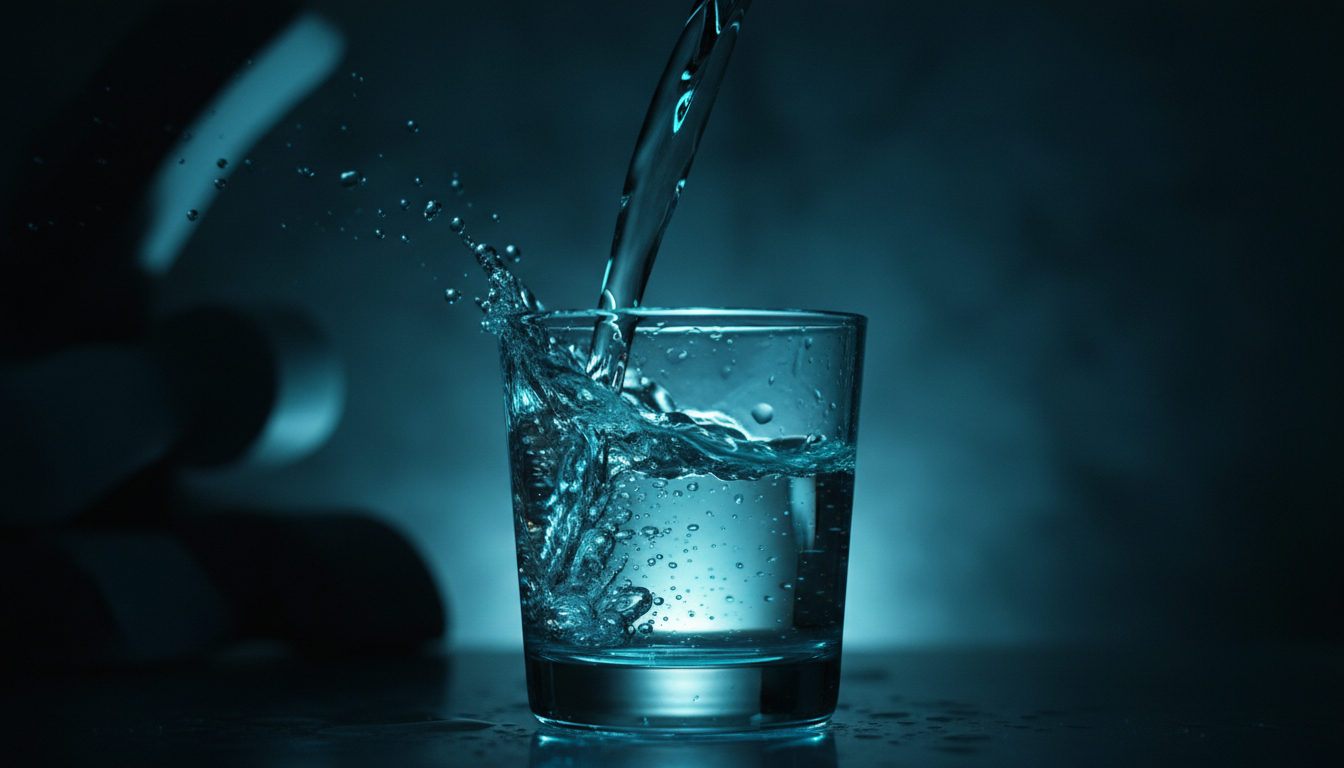
The Power of Water
Your body is 60% water. Learn how to hydrate smarter, not just more.
Why It Matters
What Water Does for Your Body
Every system in your body depends on water. Here's what happens when you're properly hydrated.
Brain & Focus
Even 1–2% dehydration impairs concentration, short-term memory, and mood. Water is essential for cognitive performance.
Heart & Circulation
Proper hydration keeps blood volume optimal, reducing strain on the heart and lowering risk of blood clots.
Energy & Metabolism
Water is required for ATP production — the cell's energy currency. Dehydration slows metabolism and causes fatigue.
Detoxification
Kidneys use water to filter and flush waste products. Inadequate water leads to toxin buildup and kidney stress.
Digestion & Gut Health
Water softens stool, prevents constipation, and aids in nutrient absorption throughout the digestive tract.
Skin & Joints
Hydration maintains skin elasticity, plumpness, and wound healing, while lubricating joints to reduce pain and stiffness.
Water Quality
Water Safety & Contaminants to Watch
Learn about common water contaminants, their health impacts, and how to test and filter them.
Chlorine & Chloramines
Source: Municipal water disinfection
Health Impacts: Respiratory irritation, stomach issues at high levels
Testing & Filtering: Simple test kits available; filter with activated carbon
Fluoride
Source: Added to municipal water for dental health
Health Impacts: Generally safe at recommended levels; excess can cause dental fluorosis
Testing & Filtering: Check local water report; use reverse osmosis filter if concerned
Lead
Source: Old pipes, plumbing materials
Health Impacts: Accumulates in body; damages brain development, kidneys, nervous system
Testing & Filtering: Professional water testing required; EPA recommends testing if home built before 1986
Microplastics
Source: Plastic pollution, industrial waste
Health Impacts: Ingested particles; long-term effects still being researched
Testing & Filtering: Limited home testing; use high-quality filtration systems
PFOA/PFAS (Forever Chemicals)
Source: Non-stick cookware, firefighting foam, industrial discharge
Health Impacts: Linked to cancer, liver damage, thyroid disease, immune suppression
Testing & Filtering: Professional lab testing required; available through state health departments
Nitrates
Source: Agricultural runoff, septic systems
Health Impacts: Methemoglobinemia in infants; linked to cancer risk
Testing & Filtering: Included in municipal water reports; wells should be tested regularly
Arsenic
Source: Naturally occurring in groundwater, industrial discharge
Health Impacts: Carcinogen; damages skin, heart, kidneys, nervous system
Testing & Filtering: Professional testing; more common in well water; reverse osmosis filters
Atrazine
Source: Herbicide commonly used in agriculture
Health Impacts: Endocrine disruptor; reproductive and developmental issues
Testing & Filtering: Check EPA's Safe Drinking Water Act contaminant list for your area
Best Practices
How to Test Your Water
Take action to ensure your drinking water is safe.
Municipal Water
Request your local water quality report (Consumer Confidence Report) from your municipality. It's available free and lists all tested contaminants and their levels.
Check EPA's Safe Drinking Water Act database for your area's compliance.
Well Water
Test annually for bacteria, nitrates, and arsenic. Professional water testing kits are available through health departments or certified labs.
Well water is not regulated; testing is your responsibility.
Filtration Options
Activated Carbon: Removes chlorine, some chemicals, taste/odor.
Reverse Osmosis: Removes most contaminants including lead, PFAS, arsenic.
UV + Multi-stage: Best for comprehensive protection.
Red Flags
- • Discolored or cloudy water
- • Strange taste or odor (rotten eggs, chlorine)
- • Unexplained skin rashes or health issues
- • Water stains on fixtures or laundry
Warning Signs
Signs of Dehydration
Recognize the warning signs early before dehydration affects your health.
- Dark yellow urine
- Dry mouth
- Mild headache
- Thirst
- Dizziness
- Fatigue
- Reduced urination
- Muscle cramps
- Rapid heartbeat
- Sunken eyes
- Confusion
- Seek medical help immediately
Eat Your Water
Most Hydrating Foods
Up to 20% of your daily water can come from food. These are the top hydrating foods to add to your diet.
Daily Habits
Smart Hydration Tips
Simple strategies to hit your daily water goal without thinking about it.
Drink 16 oz first thing in the morning before coffee or food.
Set hourly reminders on your phone to sip water throughout the day.
Eat hydrating foods like cucumber, lettuce, and watermelon daily.
Drink 16–20 oz before exercise and 8 oz every 15 minutes during.
For every cup of coffee or alcohol, drink an extra glass of water.
Keep a large water bottle on your desk — visibility increases intake.
Coffee, Tea & Alcohol
Caffeinated drinks and alcohol are diuretics — they cause your body to lose more water than you drink. For every cup of coffee or alcoholic beverage, add an extra 8–12 oz of plain water to compensate. Herbal teas and sparkling water count toward your daily goal.
We Use Cookies & Session Storage
BodyWise360 uses cookies and session storage to enhance your experience (e.g., remembering your preferences). We do not sell your data or track you for advertising. By clicking Accept, you consent to our use of these technologies as described in our .