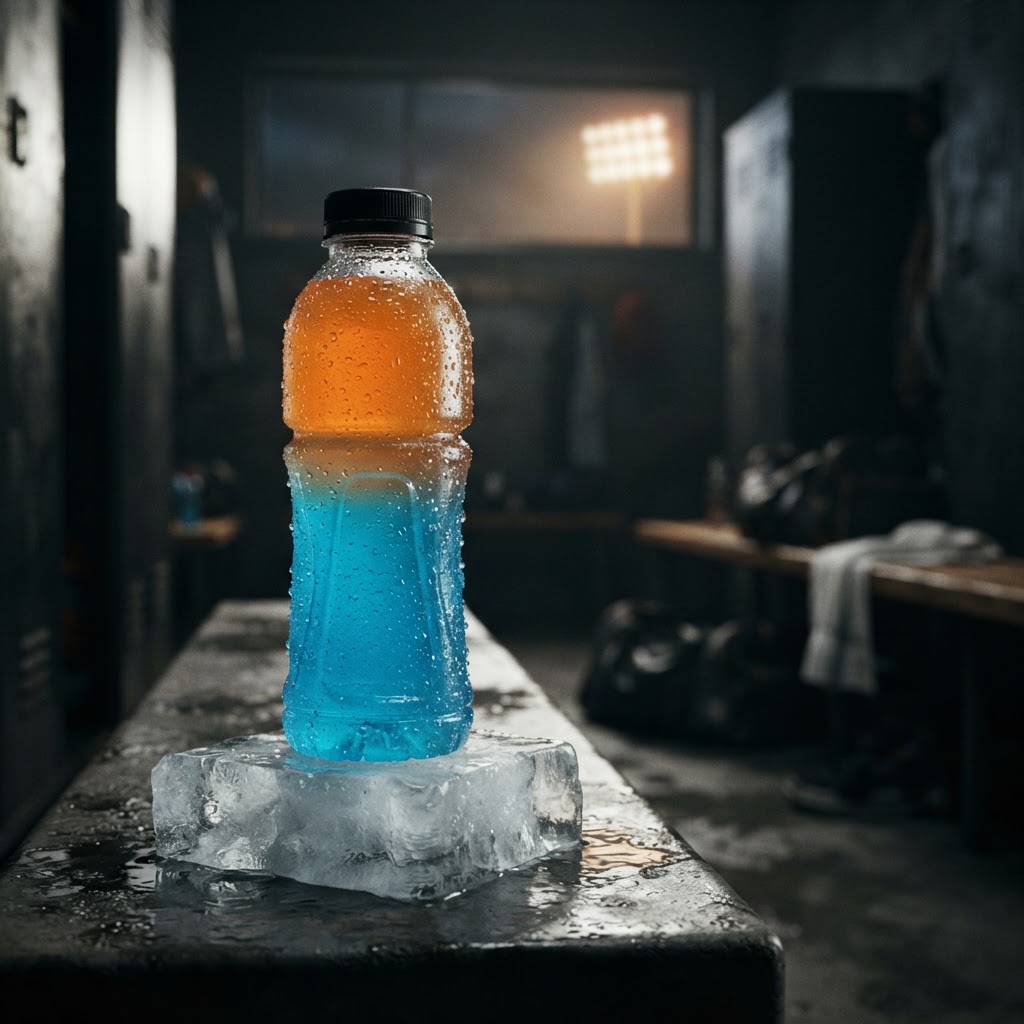
What's Really Inside Gatorade? The Latest Science on Its Ingredients
Gatorade built an empire on a simple promise: sweat out electrolytes, drink them back. But the bottle has changed over the decades, and so has the science on what's inside it. Today's research — and a wave of new regulation — is forcing a hard look at the dyes, stabilizers, and sweeteners that have quietly lived in sports drinks for years.
Start with the label itself. A classic 20-ounce bottle of Gatorade Thirst Quencher lists water, sucrose, dextrose, citric acid, salt, sodium citrate, monopotassium phosphate, gum arabic, natural flavor, glycerol ester of rosin, and one or more synthetic dyes — Yellow 5, Yellow 6, Blue 1, or Red 40 depending on the flavor. None of those ingredients are mysterious to chemists. The real question is what they do in the body, and why so many of them exist only for appearance and shelf stability.
The most consequential ingredient isn't the one people worry about most — it's plain sugar. A 20-ounce bottle carries roughly 34 grams of added sugar, about eight teaspoons, with almost no fiber, protein, or fat to slow absorption. In January 2025, researchers at Tufts University published a study in Nature Medicine estimating that sugar-sweetened beverages are associated with 2.2 million new cases of type 2 diabetes and 1.2 million new cases of cardiovascular disease worldwide each year. Sports drinks weren't the only category analyzed, but they sit in the same bucket: fast liquid sugar with little nutritional value.
Context matters here. For a marathon runner at mile twenty, those carbohydrates are fuel, and sports drinks genuinely help. For a sedentary adult sipping one at lunch, it's a dessert in a bottle marketed as hydration. Most public-health concern is about that second scenario — and about children, who are among the heaviest consumers of sports drinks despite rarely needing them.
The synthetic colors are where the science has moved fastest. California's Office of Environmental Health Hazard Assessment spent two years reviewing seven FDA-approved dyes. Its report concluded that synthetic food dyes are associated with hyperactivity and other neurobehavioral effects in some children — and noted something striking: the FDA's acceptable daily intake limits for these dyes rest on studies 35 to 70 years old that were never designed to detect behavioral effects.
That review didn't settle the debate, but it shifted the ground. In January 2025 the FDA revoked authorization for Red No. 3 in food, with removal required by January 2027. In April 2025 the agency announced a national plan to phase out petroleum-based synthetic dyes, moved to revoke Citrus Red No. 2 and Orange B, and began fast-tracking natural alternatives such as butterfly pea flower extract, gardenia blue, and Galdieria extract blue. California's School Food Safety Act bans six synthetic dyes from public school meals beginning in 2028, and in the European Union, drinks containing the so-called 'Southampton six' dyes must carry a warning that they 'may have an adverse effect on activity and attention in children.'
Gatorade's response has been notable. In late 2025, PepsiCo announced that artificial colors would come out of core Gatorade lines — powder sticks first, followed by ready-to-drink Fruit Punch, Lemon Lime, and Orange. That is real progress, and it deserves to be said plainly. It also means the honest answer to 'what's in this bottle' now depends on which bottle, and on when it was made.
Gatorade has rewritten its formula under pressure before. Until 2013 the drink contained brominated vegetable oil, an emulsifier that keeps citrus oils from separating. After a teenager's online petition gathered more than 200,000 signatures and researchers raised concerns about bromine accumulation in body fat, PepsiCo removed it and replaced it with sucrose acetate isobutyrate. The lesson isn't that BVO was proven dangerous in this drink — it's that ingredient lists are decisions, not inevitabilities, and they change when enough people ask.
Which brings us to what's still there. Glycerol ester of wood rosin, often listed as ester gum, is a plant-derived stabilizer that keeps citrus oils suspended in the liquid. The European Food Safety Authority set an acceptable daily intake of 25 milligrams per kilogram of body weight per day and limits which products may use it. Gum arabic and natural flavor round out the list — and 'natural flavor' can legally stand in for a lab-built blend of dozens of compounds, as we covered in our breakdown of natural flavors. None of these are known toxins at normal intake, but most of the ingredient deck exists to make colored sugar water look and taste consistent, not to make it more hydrating.
The zero-sugar versions swap sugar for sucralose and acesulfame potassium. That does cut the sugar load, which matters if you're drinking them casually — but 'zero sugar' is not the same as 'no effect.' In 2023 the World Health Organization reviewed the evidence and concluded that non-sugar sweeteners don't help with long-term weight control, advising against relying on them. Research continues to probe their effects on the gut microbiome and glucose response. They're a reasonable bridge away from sugary drinks. They're not a health food.
The genuinely useful part of Gatorade is the least glamorous: sodium, potassium, and a little carbohydrate to speed fluid absorption. Sweat is salty, and hard, prolonged sweating in heat depletes sodium and potassium in ways that affect performance and recovery. For sessions under an hour at moderate intensity, water is usually enough. For long training blocks, hot-weather work, or heavy sweating past ninety minutes, electrolytes earn their place. None of that requires petroleum-based dye.
If you want the hydration without the additives, it's simple: water with a pinch of sea salt and a squeeze of lemon; coconut water, naturally high in potassium; or a homemade mix of filtered water, a small spoon of maple syrup or honey, sea salt, and lemon juice. And when you do buy a bottle, read the ingredient list instead of the front label. The front is marketing; the back is data.
The bottom line: the most recent science on Gatorade doesn't say it's poison. It says three things. Sugar is the ingredient that matters most for long-term health. Synthetic dyes are being pulled from the food supply because regulators and researchers concluded the old safety limits were outdated. And the functional value of a sports drink comes from electrolytes — not color. Drink it when you've actually earned it, favor the reformulated or dye-free versions, and treat the label as worth reading.
Sources & Further Reading
This article is drawn from the following evidence-based organizations and journals. Tap any source to read the original research.
- FDA — HHS/FDA plan to phase out petroleum-based synthetic dyes
- California OEHHA — Neurobehavioral effects of synthetic food dyes in children
- Tufts University / Nature Medicine — Health burdens of sugar-sweetened beverages
- World Health Organization — Guidance on non-sugar sweeteners
- EFSA — Food additives (incl. glycerol esters of wood rosin)
Disclaimer: This article is for educational purposes only. Consult with a healthcare provider before making significant dietary changes.